The Rise and Fall of Croatian Football: From Independence to the Fight Against the Syndicate
Croatia is one of the great dark horses of modern football, a genuine superpower in the making. Reaching this height was not easy. Their journey is full of stories of rise and fall, and this report tells that story.
A Golden Start and Emergence After Independence (1991–1998)
After winning independence in 1991, Croatia began thinking about football with a long-term view, and started building a team with the coming European Championship in mind. Before independence, Croatia had been part of Yugoslavia. That Yugoslavia won the 1987 Youth World Cup, and most of the players in that team came from the Croatian region. The Croatian footballers Davor Šuker, Robert Prosinečki, Zvonimir Boban and Robert Jarni were the driving force of that side. After the declaration of independence, the Croatian Football Federation began building a team around these few best players. Once the country was independent, the Croatian government approved dual citizenship to repay the help the diaspora had given during the war. This later proved a great help in bringing diaspora and descendant footballers into the national team.
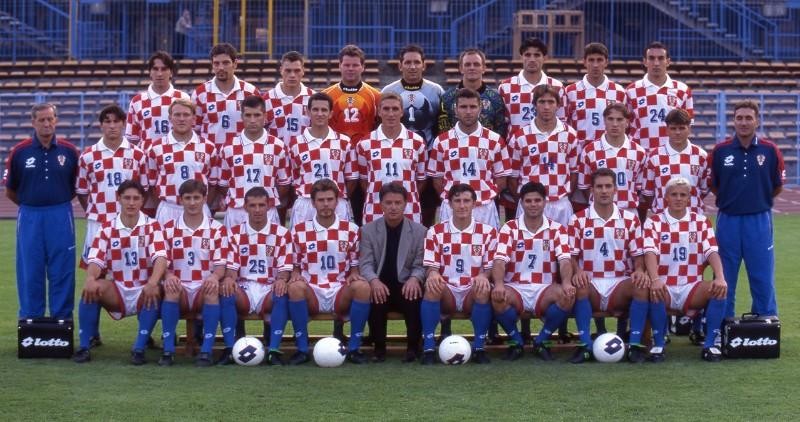
Group photo of Croatia's 1998 World Cup squad
At Euro 1996, their first ever tournament, they beat Denmark, the reigning European champions, 3-0 in the group stage! The newly independent nation even reached the quarter-finals. Although they went out there, losing 2-1 to Germany, the team announced their remarkable rise to the world.
In qualifying for the 1998 World Cup they beat Italy and Ukraine to earn a place in the main tournament. At the 1998 World Cup they finished second in their group and reached the round of 16. In the quarter-final, the Croats blew giant Germany away 3-0.
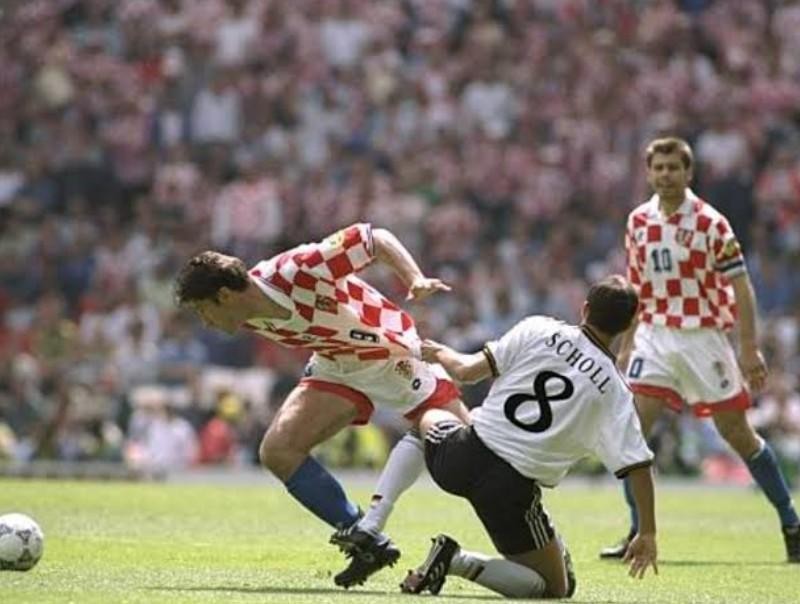
German defenders struggle to deal with Croatian forward Davor Šuker
They lost 2-1 to France in the semi-final, but beat the Netherlands 2-1 in the third-place match to win the bronze medal. World football was stunned that Croatia finished third at their very first World Cup. In that tournament Davor Šuker scored six goals and was named the best player. World football was filled with praise for the Croats.
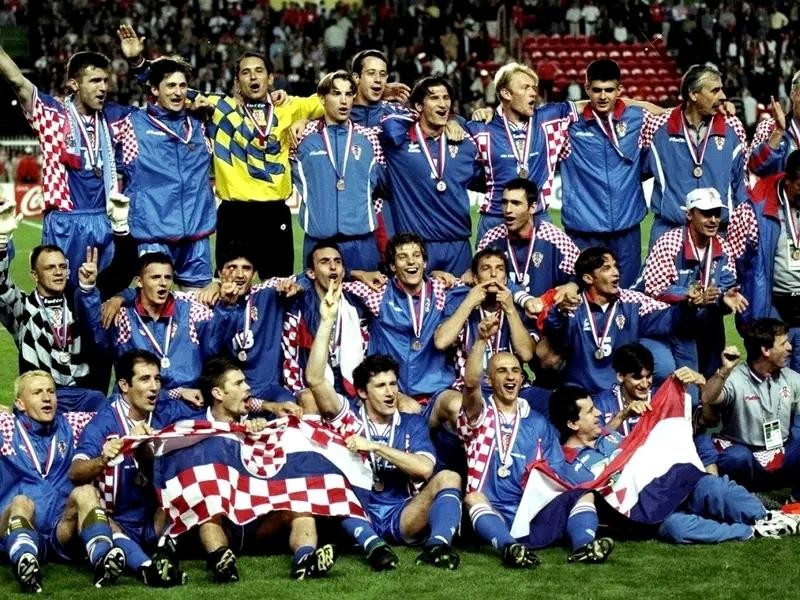
Croatia's bronze-winning squad
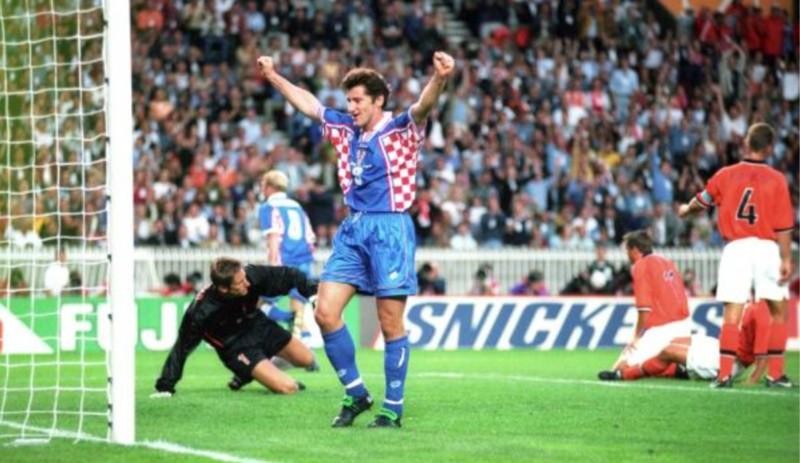
Golden Boot winner Davor Šuker
The Collapse of Grassroots Football and the Decline in Performance (1998–2006)
The team that won bronze at the 1998 World Cup could not even get through qualifying for Euro 2000. At Euro 2004 they went out in the group stage. They were eliminated in the group stage of the 2002 and 2006 World Cups too. After the dream of their first World Cup and Euros, there were several reasons behind this stumble:
- Lack of grassroots infrastructure and academies of their own The Croatian Football Federation paid no attention to grassroots football. In the 2000s the federation had no football academy of its own where young players could be trained properly. Only two or three big clubs, such as Dinamo Zagreb or Hajduk Split, had their own academies. In the small clubs across the rest of the country there was no infrastructure at all to provide professional training. Officials depended only on raw talent, or on players from academies abroad. A large share of the funds received from the federation or FIFA was spent on organizing top-tier club matches, or on the officials' travel and luxurious lifestyles.
- Departure of the golden generation and the vacuum it left The golden generation was at peak form at the 1998 World Cup, but after that many of them lost form or retired. This created a shortage of skilled players.
- Lack of modern training for coaches It is said that the more skilled coaches a country can produce, the more skilled players it will have. But before 2010, those who coached at the youth level had no particular knowledge of modern tactics or child-development psychology. At that time, in all the major European football nations such as Germany and Italy, the UEFA Pro Licence or UEFA A Licence was compulsory. In Croatia, a certificate was handed out after only a part-time coaching course.
The Mamić Syndicate and the “Businessman Mafia Model” (2003–2015)
After Croatia's extraordinary success at the 1998 World Cup, interest in Croatian players grew in the European leagues. Clubs in Italy, England and Germany became keen to sign Croatian footballers.
In this era of player transfers, another name came to the fore: Zdravko Mamić. He was the executive director of Dinamo Zagreb, one of the few big clubs in Croatian domestic football at the time. As tends to happen when a domestic football structure is weak, the big clubs' influence over the federation grew. In the same way, from around 2003 his influence in the Croatian Football Federation kept growing. Mamić was not just a club official. He and his son Mario Mamić ran a player management agency, and through this agency he built a flawless “businessman mafia model.”
At the start, they signed 15 and 16-year-old raw talents, naturally gifted footballers, from academies. The contract said: “I will pay for your boots, your food and lodging and your initial medical costs, but if you are sold to any club in Europe in the future, you must pay me or my agency 20% to 50% of your salary and transfer fee for life.” The young footballers would agree to the contract without really understanding it.
He used the national team as a shield for his business model. He arranged for the talented young players of his own club to get into the national team quickly. When scouts from big European clubs saw that an 18 or 20-year-old was playing for the Croatian national team, his market value rose quickly. Mamić would then sell those players through his agency to big European clubs at high prices. For example:
- Boško Balaban (2001) from Dinamo Zagreb to Aston Villa (£7.8 million)
- Jerko Leko (2002) from Dinamo Zagreb to Dynamo Kyiv (€4 million)
- Ivica Olić (2003) from Dinamo Zagreb to CSKA Moscow (€5 million)
- Niko Kranjčar (2005) from Dinamo Zagreb to Hajduk Split (€2 million)
- Luka Modrić (2008) sold from Dinamo Zagreb to Tottenham Hotspur for around €21 million!
- Eduardo (2007) sold to Arsenal for €13.5 million.
- Dejan Lovren (2010) sold to Olympique Lyonnais for €9.5 million.
- Mateo Kovačić (2013) went to Inter Milan for €11 million.
Although the money was supposed to be deposited in Dinamo Zagreb's account, the lion's share of the transfer fees from these sales was siphoned off into the personal offshore bank accounts of Mamić and his associates, for example through shell companies in Switzerland, Bosnia or Hong Kong. Mamić's corruption affected the national team severely. Often more qualified, experienced and in-form players were left out, while players from Mamić's agency were forced into the squad to push up their market value.
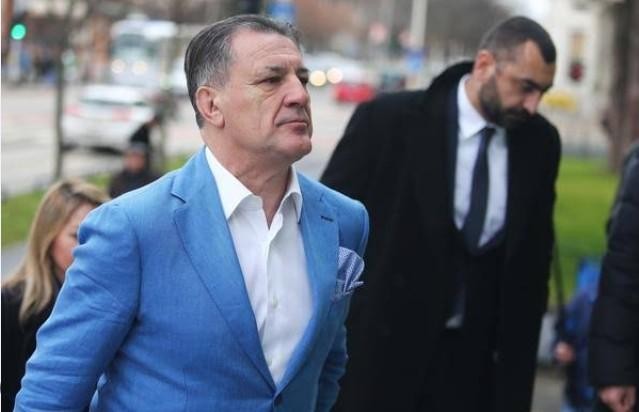
Zdravko Mamić
Investigative Journalism, Protest and the Fall of the Mamić Empire (2015–2018)
From 30 June 2015, one of Croatia's leading and most influential daily newspapers, Jutarnji List, and later the digital news portal Index.hr, published continuous reports on the financial irregularities and corruption of Zdravko Mamić and Dinamo Zagreb. Behind this were the sports journalist Aleksandar Holiga and the investigative journalists of Index and Jutarnji List. Under pressure from supporters, the state anti-corruption agency (USKOK) opened an investigation following those reports.
The state formally filed tax evasion and money laundering cases against Mamić and his brother Zoran Mamić, and temporarily arrested them. Alongside the legal fight, ordinary supporters and ultras groups outside the stadium, especially Dinamo's “Bad Blue Boys” and Hajduk's “Torcida,” launched an intense movement demanding football free of Mamić. In protest, during Euro 2016 in the match against the Czech Republic, Croatian supporters deliberately threw flares from the stands onto the pitch and disrupted the match.
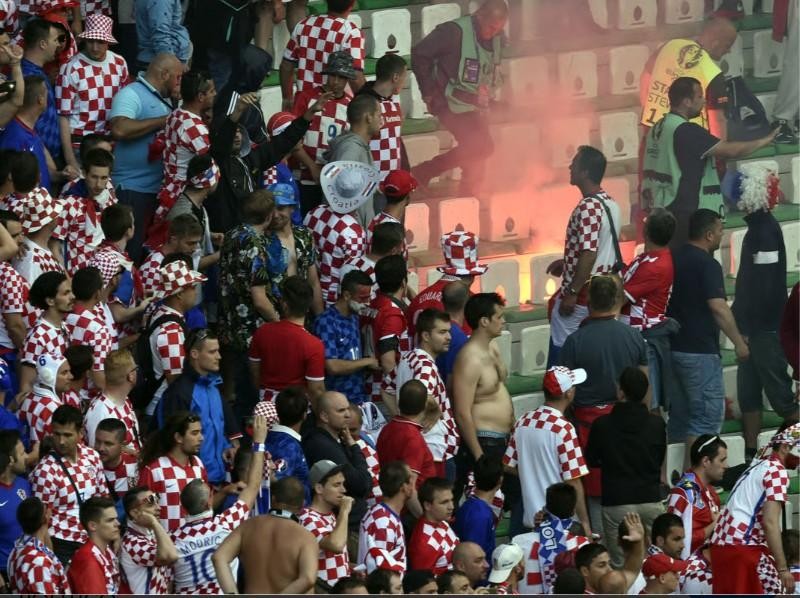
Croatian supporters protest during the Czech Republic v Croatia match at Euro 2016
Later, Real Madrid's Luka Modrić and defender Dejan Lovren were summoned to court as witnesses in the money laundering and fraud case against Mamić. However, Modrić gave vague and shifting testimony in court about his old secret agreement and financial dealings with Mamić. Clear inconsistencies were found between the audio and written records of the 2015 preliminary investigation held by prosecutors and his live testimony in court, which led prosecutors to charge them with perjury, although the courts later dismissed those charges.
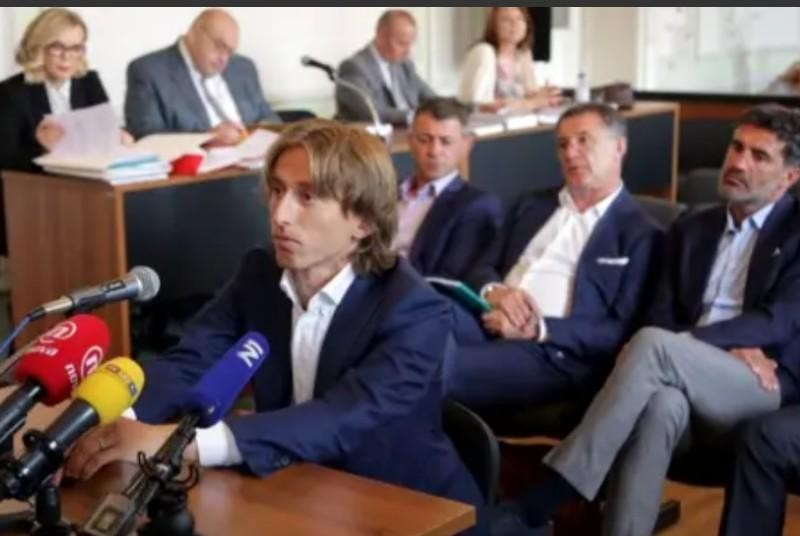
Luka Modrić testifying in court in Mamić's money laundering case
In June 2018 the court found Mamić guilty and sentenced him to six and a half years in prison. Learning of the news from a secret source before the verdict was announced, Mamić fled to Bosnia, and to this day he has not been able to set foot in his own country.
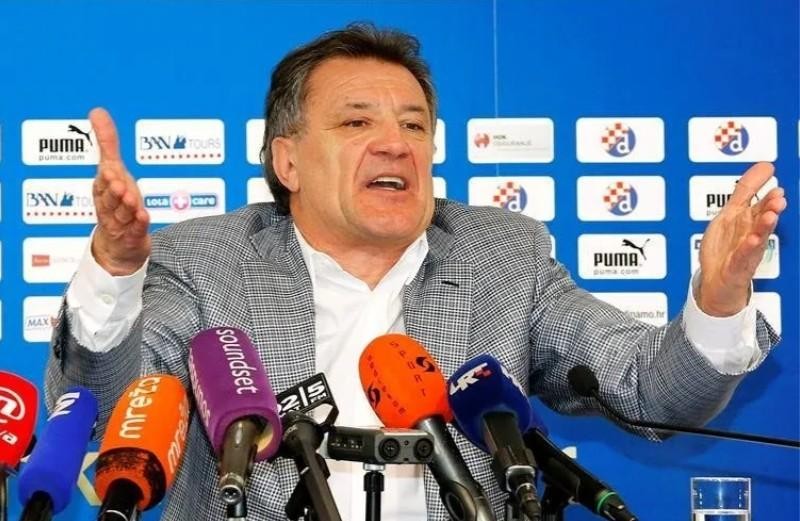
Mamić announcing his resignation at a press conference
The Road to Recovery and Structural Reform (2010–2016 and After)
After failing to reach the main tournament of the 2010 World Cup, the Croatian Football Federation put emphasis on grassroots development. Structural reform work began alongside it:
- Establishing regional training centres The country was divided into five regions, with a training centre in each, whose job was to work with young talented footballers.
- Making club academies and “B” teams compulsory Every club in the top league (HNL) was required to have Under-17 and Under-19 academies. B teams were formed from the young players of top clubs, so that 18 and 19-year-olds could play against senior clubs in the second division and mature further.
- Own coaching academy and compulsory licences Emphasizing coach training, the federation built its own coaching academy. The UEFA Pro Licence was made compulsory for youth-level coaches.
- Modern analysis and scouting of the diaspora Video analysts and professional scouts were hired to make it easier to find diaspora Croatian footballers and young raw talents.
- Joining the European Union and financial tracking After joining the European Union in 2013, UEFA's Financial Fair Play policy and tight monitoring brought every account of player sales, transfer fees and academy funding under digital tracking. This reined in the corruption of local board officials.
The 2016 Sports Act and Legal Reform
While the Mamić syndicate's dominance was steadily dragging down the country's international performance, the supporters' continuous movement went on. Notably, in 2016 supporters disrupted a Euro match.
The issue even began to be discussed in parliament. Petra Mandić, legal adviser and policy maker of the then-emerging political party MOST (Bridge of Independent Lists), proposed an amendment to the Sports Act. The then Sports Minister Željko Jovanović was in agreement.
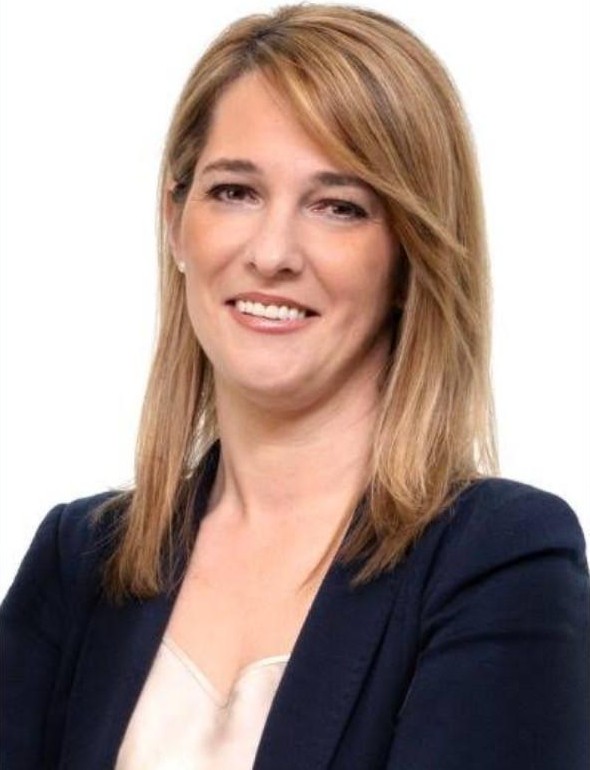
Petra Mandić
According to Article 7bis of the UEFA Statutes and, as a complement, Article 19 of the FIFA Statutes, “if a government interferes with a federation, that country will face a FIFA ban.”
So Sports Minister Željko made a subtle move here to avoid a FIFA ban. In a meeting he managed to convince UEFA that they were not doing this out of a grudge against any individual, nor to have the government run the federation. They were doing it to keep football free of corruption within a democratic model. Rather than act on personal grievance, the minister turned the whole matter into an institutional and legal fight. He and the government's legal advisers met senior representatives of European sports bodies and explained that structural reform was essential to save Croatian football. UEFA's representatives were reassured by their words.
Then, in July 2016, the long-awaited amendment to the Sports Act was passed.
- Article 13 of the amendment A person accused of corruption or a criminal offence cannot hold a top position in any sports club or sit on a federation's policy-making committee.
- Article 27 of the amendment A director or board member of a sports club cannot at the same time be a player agent, nor can they be involved in a player management business through family.
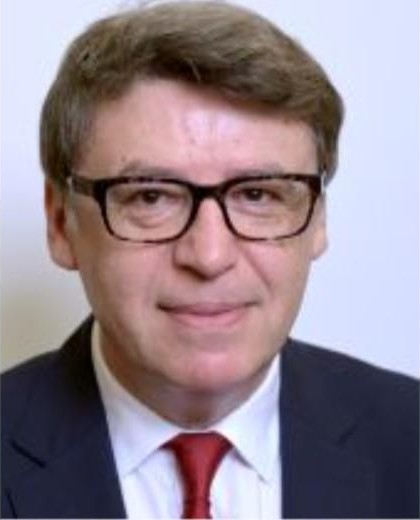
Željko Jovanović
Conclusion
After this amendment, the foundations of the Mamić syndicate and the corrupt officials shook, and factionalism, nepotism and corruption in Croatian football declined.
After these steps by the Croatian government and federation, Croatian football grew stronger day by day. The result was runners-up at the 2018 World Cup and third place at the 2022 World Cup.
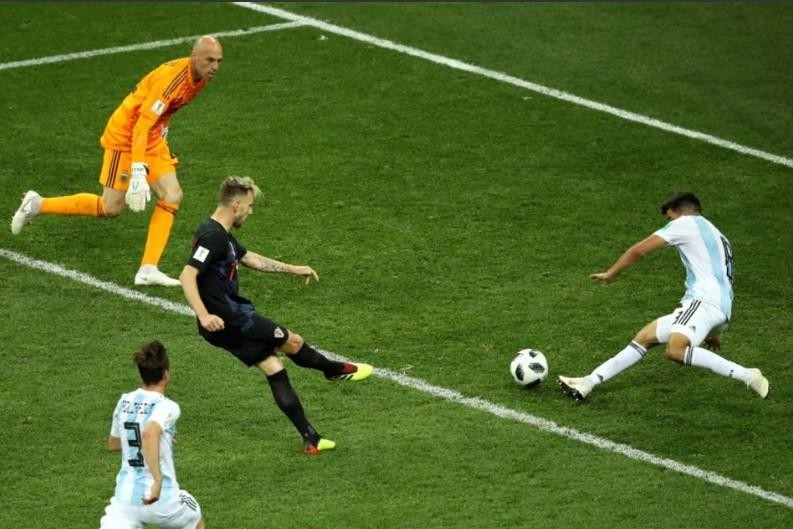
Argentine defenders helpless against Croatian forwards at the 2018 World Cup
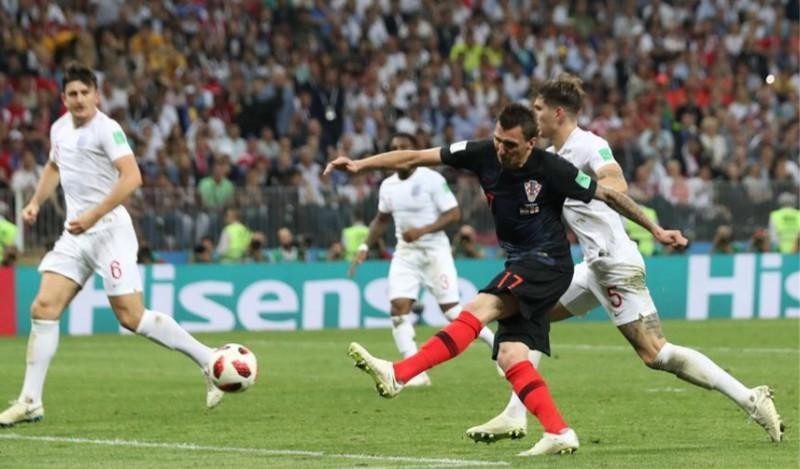
Mario Mandžukić scoring the winning goal against England in the semi-final
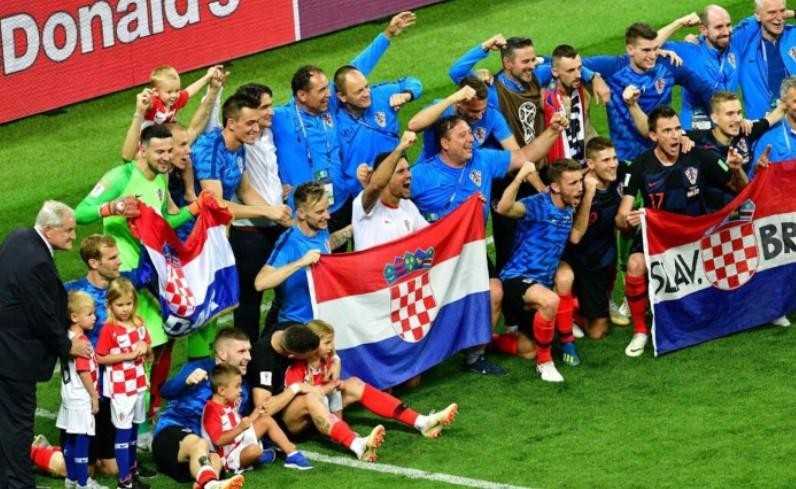
Croatia reach the final after beating England in the semi-final
Interestingly, the very Luka Modrić who had become a thorn in the supporters' side over his testimony in Mamić's trial captained Croatia to runners-up at the 2018 World Cup and a bronze medal at the 2022 World Cup. It was the same Luka Modrić who once again flooded the supporters with joy. He was even named best player of the 2018 World Cup.
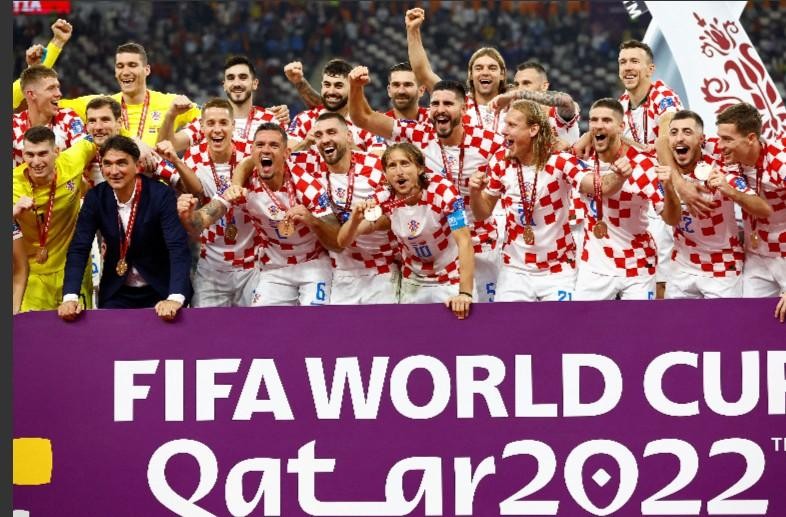
Croatia's team with their bronze medals at the 2022 World Cup
Through the supporters' anti-syndicate movement, sports-loving politicians and brave journalists, Croatian football today has become free of the syndicate and has grown into a superpower of the football world.