⚽ Football · World Cup 2026
The Historic Resurrection of Congo's Football: A Fairytale from a War-Torn Nation
By Shahidul Alam Meraz
·
July 2026
·
15 min read
·
Football · Geopolitics
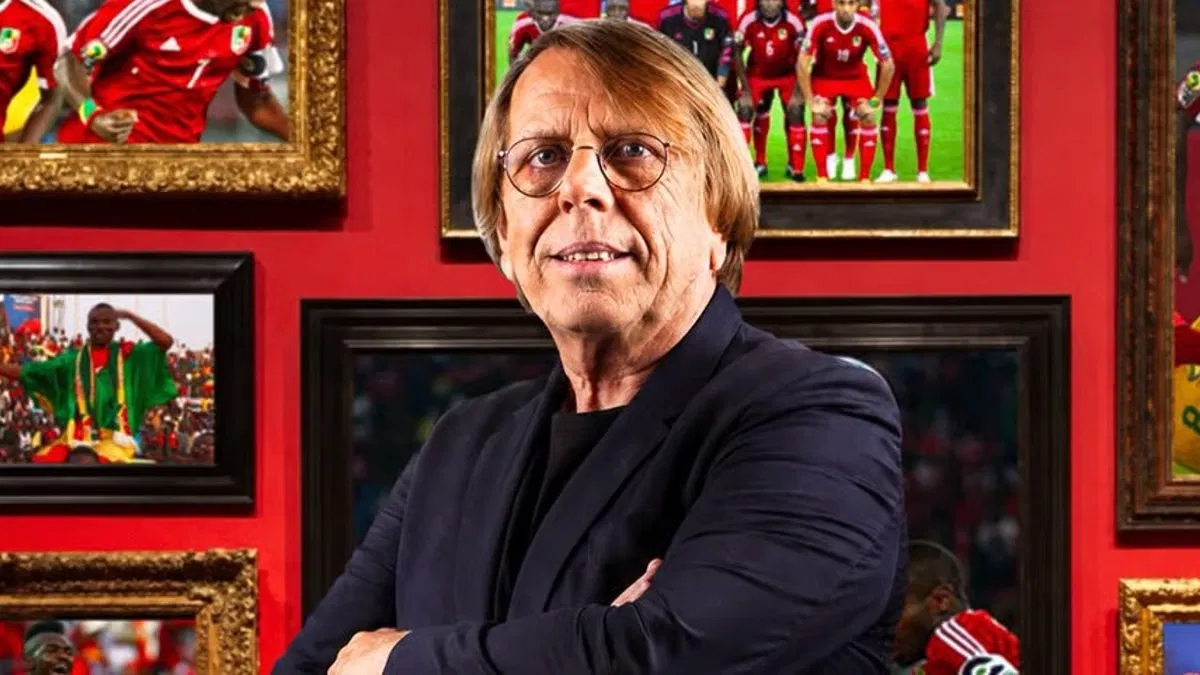
Claude Le Roy — the French coach who spent his own money tracking down Congolese diaspora players and recording them in a diary.
Le Roy's Diary Method & the Battle of the 'French Gentlemen'
Around 2004, French coach Claude Le Roy took charge of the Democratic Republic of Congo — a country ravaged by civil war where football was the only remaining source of joy. Seeing the state of local players' performances, he launched a new method. His mission partners were board official Omari, wealthy patron Moses Katumbi, and captain Shabani Nonda. Many Congolese diaspora players were playing in French and other European leagues. Le Roy spent his own money searching for them, keeping everyone's names and addresses in a diary.
Driven by love of country, diaspora players began coming at their own expense. But the corrupt federation started tormenting Le Roy — withholding his salary, conducting media trials, blocking players' files. Local footballers refused to pass to the diaspora players, taunting them as 'French gentlemen.' Yet Omari pushed the files through. He arranged a meeting with the President and argued: 'Success in sports is essential to calm an unstable nation — football alone can unite everyone on the world stage in a wave of joy.' The President began investing significant funds in bringing diaspora players home.
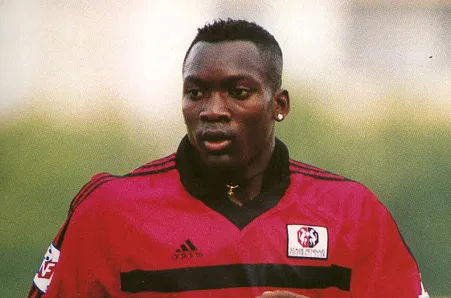
Shabani Nonda — captain, leader, the voice that kept diaspora players coming home.
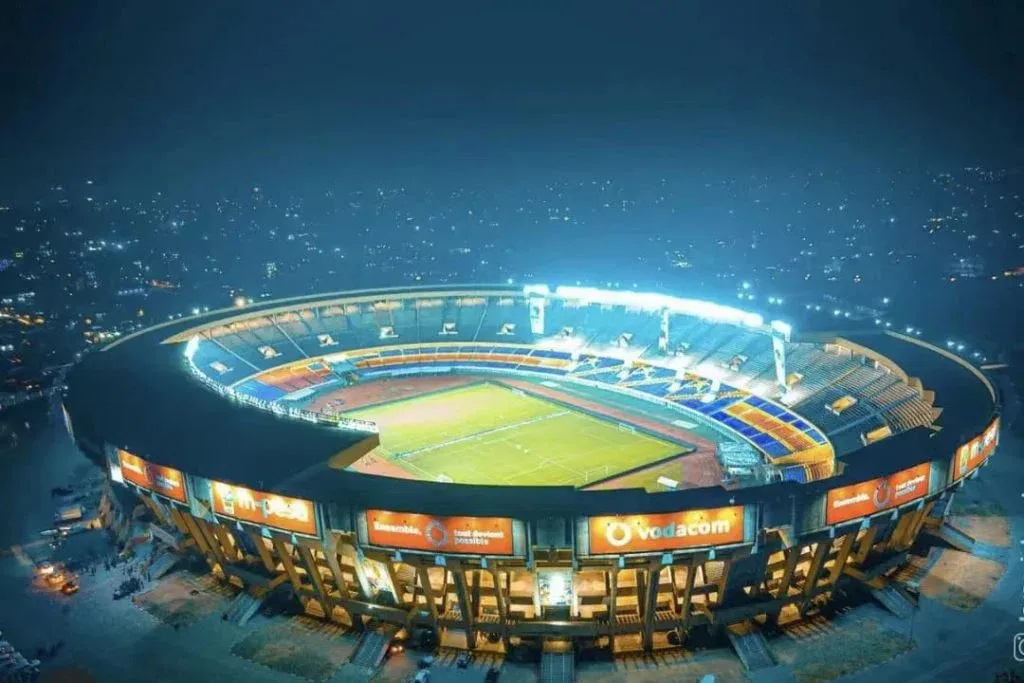
Stade des Martyrs, Kinshasa — 80,000 voices. No money in Europe compares to that feeling.
Corruption vs Football's ICU
Despite everything, after reaching the AFCON quarter-finals in 2006, the corrupt board dismissed Le Roy. His tightening of rules had closed off their avenues for embezzling match fees and hotel expenses. After his departure, the path for diaspora players closed completely. Congo failed to qualify for AFCON three consecutive tournaments. Football went back into the ICU. Public outrage was intense, sponsors turned away, and stadiums nearly had to be shut down.
Omari brought Le Roy back in 2011, but during AFCON 2013, conflicts over bonus fraud erupted — Congo exited in the group stage. For a crucial World Cup qualifier against Libya, Le Roy stated: 'If someone else chooses the team, I won't sit in the coach's chair.' After the match ended 0-0, he resigned and left. The federation, in crisis, brought in French-Congolese coach Florent Ibengé — who rallied all players to his side, built a friendship with Moses Katumbi, and resumed exactly where Le Roy's diary theory had left off.
"The federation might be corrupt, but the country is ours. We will buy first-class tickets from our own pockets and come to play." — Captain Shabani Nonda
Captain Shabani & Bosaki's Magic Touch
When diaspora players were turning away, captain Shabani Nonda and senior player Bosaki would call them personally: 'Brother, the federation might be useless — but when you wear Congo's jersey and step onto Kinshasa Stadium with 80,000 people screaming your name, all the money in Europe means nothing against that feeling!' Their brilliant man-management worked wonders. They were the true heroes of the team.
Political Influence & Legal Manoeuvres
The biggest role in Congo's football awakening was played by wealthy patron Moses Katumbi, whose club regularly won the African Champions League. In September 2021, a $1 million fraud by federation officials was uncovered by the GF (General Inspectorate of Finance). Behind the scenes, civil servant Barthélemy Okaso engineered the paperwork so that national team funds would bypass the corrupt federation and come directly under the Sports Ministry — without FIFA being able to raise any objection about government interference. The board's corruption was permanently shut down.

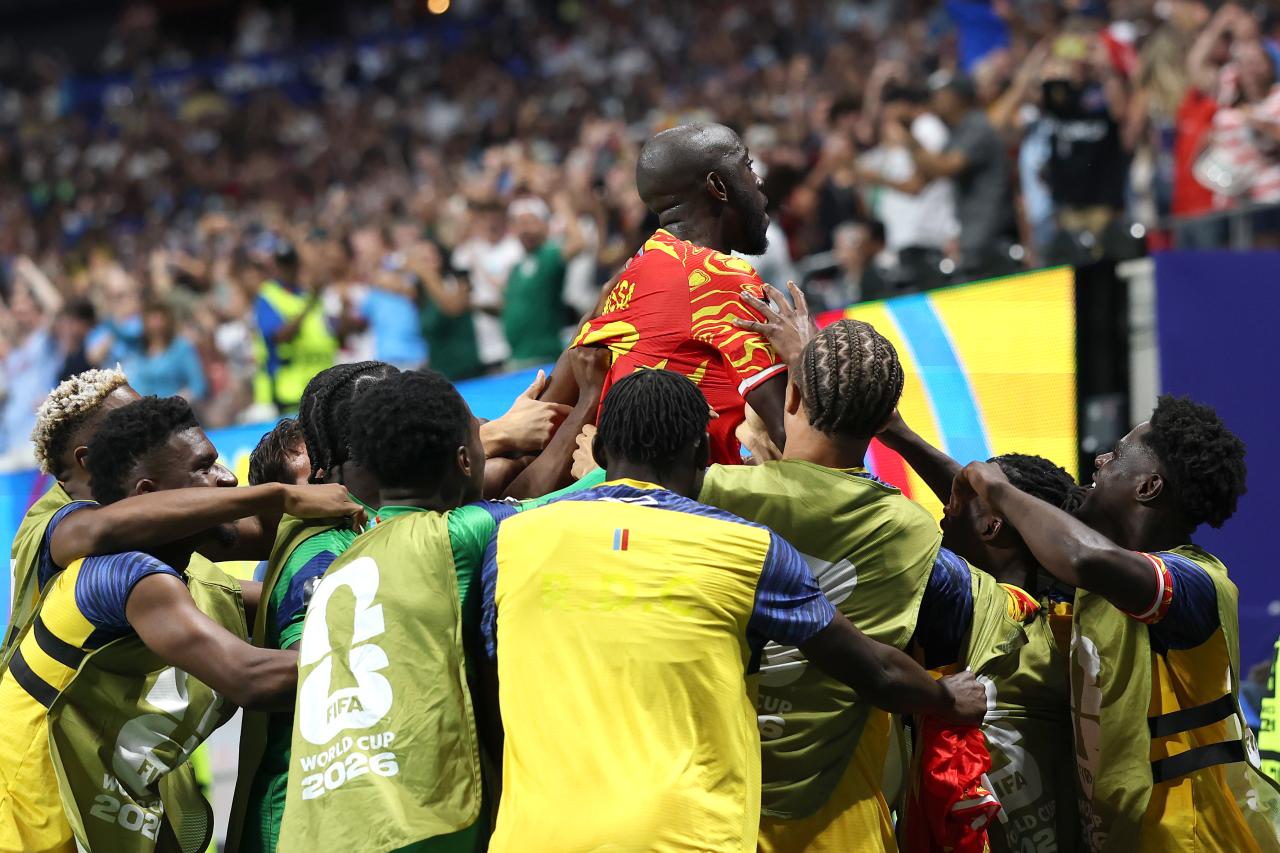
Portugal 1 – 1 Congo DR
Yoane Wissa's 90+5 header — Congo's first ever World Cup goal. FIFA World Cup 2026 · Houston · June 17, 2026
A New Horizon
Today, under coach Sébastien Desabre, the Congo football team has made it to the World Cup — because he gave the board no opportunity for undue interference. This was the behind-the-scenes story of how a war-ravaged nation's team came to the World Cup and looked powerhouse Portugal in the eye. One Africa-loving French coach, one board director, one selfless billionaire, and one visionary captain — followed by a shrewd civil servant and a wise sports minister — ignited a great awakening. Congo football's magnificent resurrection continues in glory today.